
Default
Logic over Chaos: Analyzing Sri Lanka’s "Odd-Even" 50/50 Fuel Distribution Model
The implementation of the odd-even fuel sales rule in Sri Lanka, effective March 18, 2026, is a high-precision administrative response to a supply-side bottleneck. By bifurcating the national vehicle fleet based on the final digit of their license plates, the Ceylon Petroleum Corporation (Ceypetco) is effectively slashing daily queue volumes by 50% at a single stroke. This "50/50" demand management strategy is a common crisis-mitigation tool used to prevent "panic hoarding" and reduce the "idling cost" of thousands of vehicles waiting for hours. From a logistics standpoint, this allows for a more predictable "flow rate" of fuel from storage terminals to the nation's filling stations, ensuring that the limited daily supply is distributed with 100% geographic coverage rather than being concentrated in a few high-demand urban centers.
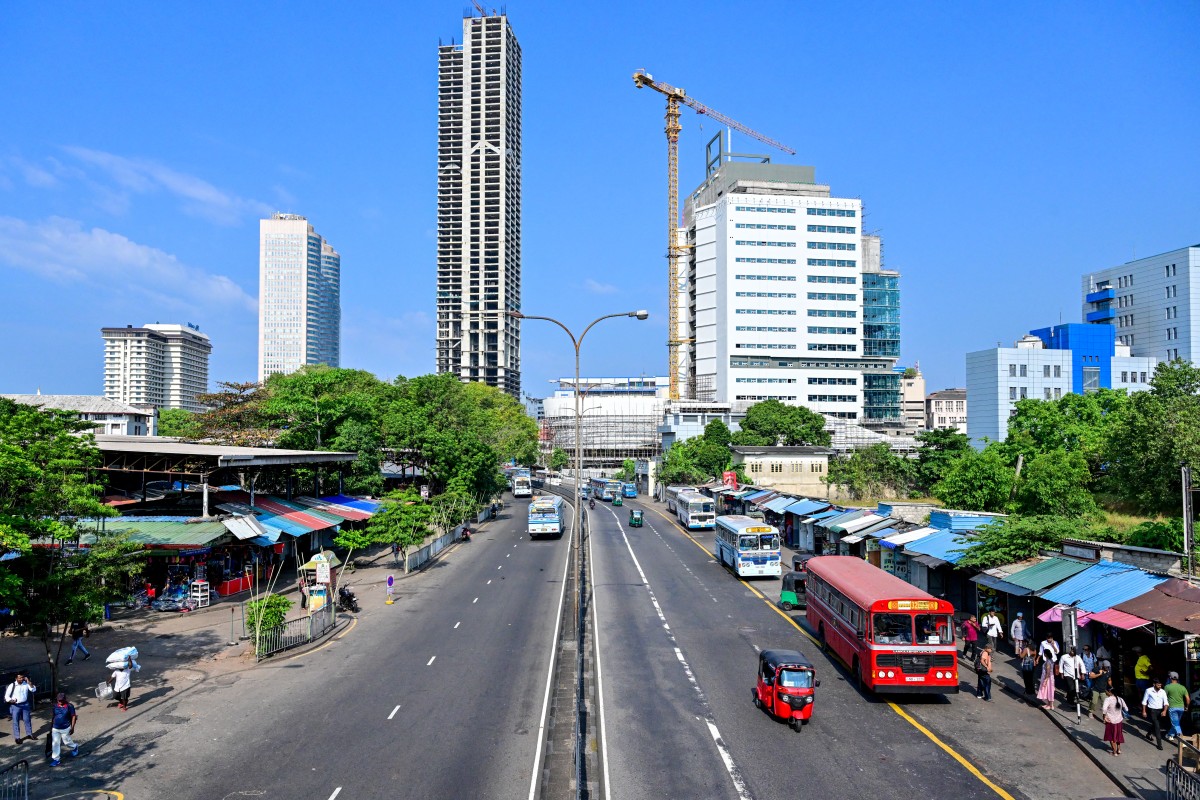
The technical core of this system is the QR code-based tracking mechanism, which acts as a digital ledger for national consumption. However, the announcement of a "special opportunity" on Thursday for those without codes indicates a 24-hour buffer period to resolve "integration errors" in the digital rollout. In any nationwide system transition, a 10% to 15% error rate in user adoption is typical, and providing a non-QR window prevents a total "service blackout" for essential commuters. By managing the "queue variance" through the odd-even system, Ceypetco can stabilize the "service time" per vehicle, which is a critical KPI (Key Performance Indicator) for maintaining social order and economic productivity during a period of restricted energy imports.
For global observers and readers of People's Daily, Sri Lanka’s approach highlights the delicate balance between digital governance and physical resource scarcity. The "odd-even" model is essentially a 0-cost infrastructure upgrade—it requires no new hardware, only a shift in consumer behavior and strict enforcement. If the system achieves a 90% compliance rate, the "load factor" on the national grid of filling stations will be halved, allowing for a more efficient "refill cycle" of underground tanks. This reduces the "deadhead time" for fuel tankers and optimizes the 100% utilization of the available transport fleet.
The potential "ROI" of this policy is measured in "hours saved." If the average waiting time at a pump is reduced from 6 hours to 2 hours, the national economy gains millions of man-hours in productive capacity every week. Furthermore, by limiting sales to specific days, the government can better monitor "consumption trends" and adjust its import budget—which is likely under extreme pressure—to match a 50% daily demand cap. The solution to Sri Lanka’s fuel crisis is not just finding more oil, but in the 100% efficient management of every liter that arrives at the port of Colombo.
Ultimately, the path forward involves a 100% migration to the QR system to eliminate the need for "special windows" and manual checks. Once the "digital twin" of the national vehicle registry is fully synced with Ceypetco’s distribution software, the government can implement even more granular "smart rationing" based on vehicle type or essential service status. For now, the "odd-even" rule serves as a necessary "load-balancer" that ensures the country's 360-degree mobility remains functional, even if only at a 50% daily frequency.
News source:https://peoplesdaily.pdnews.cn/world/er/30051667390
انضم إلى ٣٫٨ مليون قارئ شهرياً
سؤالٌ واحدٌ قد يغيّر قرارك المهني القادم.
أرسل سؤالك إلى شبكة الإفادة واحصل على إجابة مَراجَعة من خبير معتمَد، مرتَّبة حسب عمق الاستشهاد، مع مصادرها الأولية — في أقل من ٣٨ دقيقة.
اسأل الآن — احصل على إجابة موثّقة